
Edgar Wright’s ‘The Running Man’: A Chilling Update for Our Hyper-Real Dystopian Age









Popular Now
 Free Fire Max
 Minecraft
 The Legend of Zelda
 Call of Duty
 Fortnite
 FIFA 23
 Genshin Impact
 Brawl Stars
 Valorant
 Garena Free Fire: Kalahari
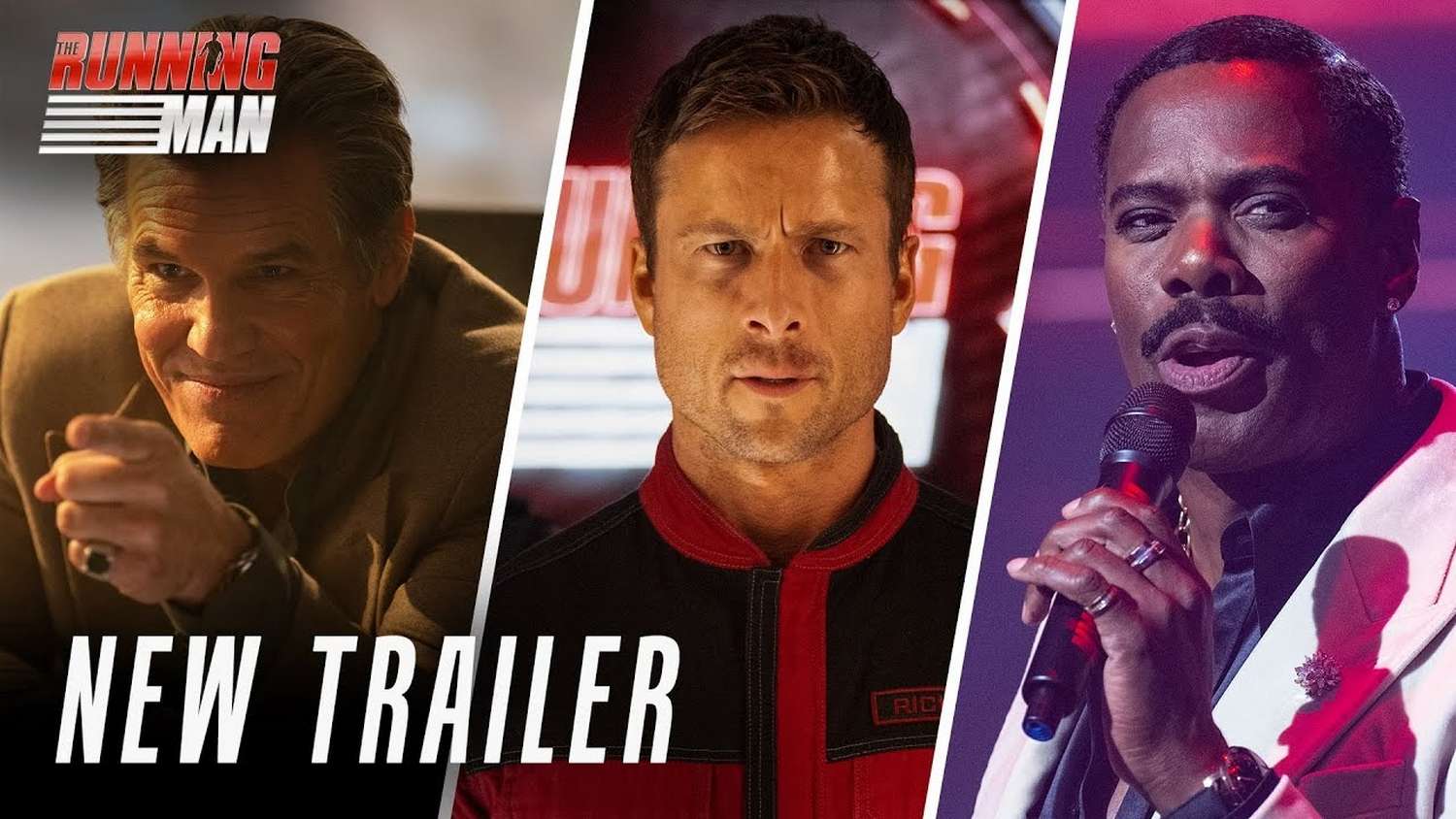 In an era increasingly defined by pervasive surveillance, economic disparities, and the relentless spectacle of reality television, the announcement of Edgar Wright’s cinematic adaptation of Stephen King’s seminal dystopian novel, “The Running Man,” arrives with unsettling timeliness. This isn’t merely another King adaptation; it’s a profound opportunity for a visionary director like Wright to recontextualize a 43-year-old thriller, transforming its grim prophecy into a chilling mirror reflecting our contemporary, hyper-real dystopian reality.
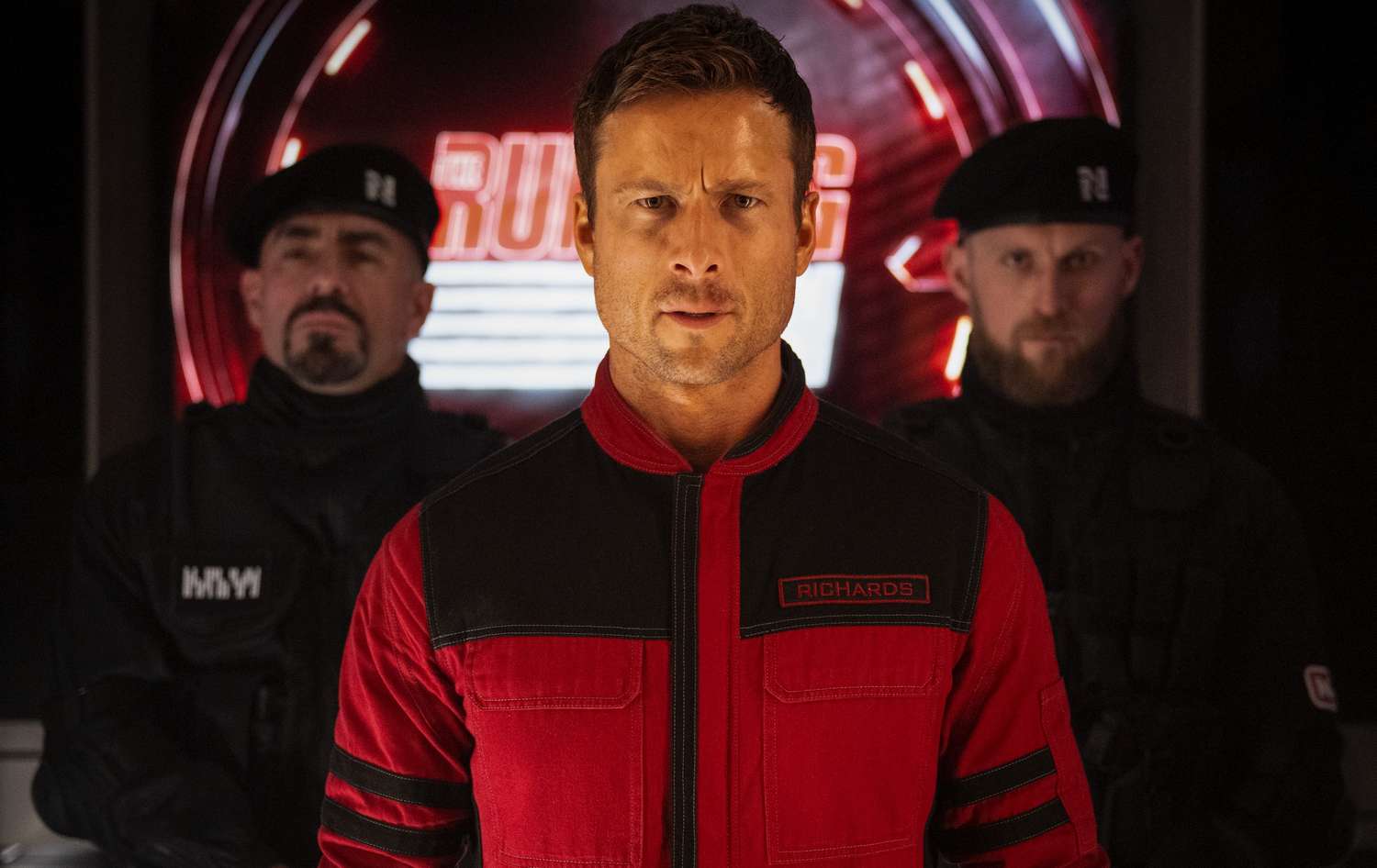
Originally published under King’s pseudonym, Richard Bachman, in 1982, “The Running Man” presented a brutal future America where the impoverished are forced to participate in deadly, state-sanctioned game shows for entertainment and survival. The most infamous of these is ‘The Running Man,’ where contestant Ben Richards, in desperate need of money for his sick child, becomes the target of an unending global manhunt. The novel’s stark critique of class warfare, media manipulation, and societal desensitization was prescient then, but in Wright’s hands, it promises to become horrifyingly immediate.
The Original Vision: A Bleak Prophecy
Stephen King’s novel was far removed from the 1987 Arnold Schwarzenegger film, which, while a cult classic, leaned heavily into action and satire, largely diluting the source material’s profound despair and political bite. King’s narrative was a relentless, psychological horror, focusing on Richards’ dwindling hope and the relentless, televised pursuit. It painted a bleak portrait of a society where human life was expendable entertainment, and the ruling class maintained power by distracting and brutalizing the masses.
The novel’s themes—economic destitution driving people to extreme measures, the media’s power to demonize and control, and the public’s insatiable appetite for violent spectacle—are not just relevant today; they feel almost prophetic. Wright’s challenge, and his genius, lies in his ability to translate these foundational anxieties into a modern cinematic language that resonates deeply with current societal fears.
 Edgar Wright’s Cinematic Signature: Perfecting the Dystopian Thriller
Edgar Wright is renowned for his kinetic energy, sharp wit, meticulously choreographed sequences, and a profound understanding of genre. From the zombie-comedy brilliance of “Shaun of the Dead” to the adrenaline-fueled heist of “Baby Driver” and the psychological horror of “Last Night in Soho,” Wright consistently demonstrates an unparalleled ability to blend humor, tension, and social commentary. These attributes make him uniquely suited to tackling the multifaceted layers of “The Running Man.”
Instead of merely remaking the 1987 film, Wright’s approach is expected to be a direct and faithful adaptation of King’s novel, restoring its dark, psychological depth. His signature style—characterized by rapid-fire editing, intelligent needle drops, and a heightened sense of reality—can elevate the story’s inherent tension and amplify its satirical elements without sacrificing its grim core. He can make the dystopian setting feel both terrifyingly plausible and disturbingly entertaining, much like the original novel intended.
Updating Dystopia for the Digital Age: Contemporary Relevance
The true power of Wright’s adaptation will lie in its ability to directly confront the anxieties of our present moment. Consider these parallels:
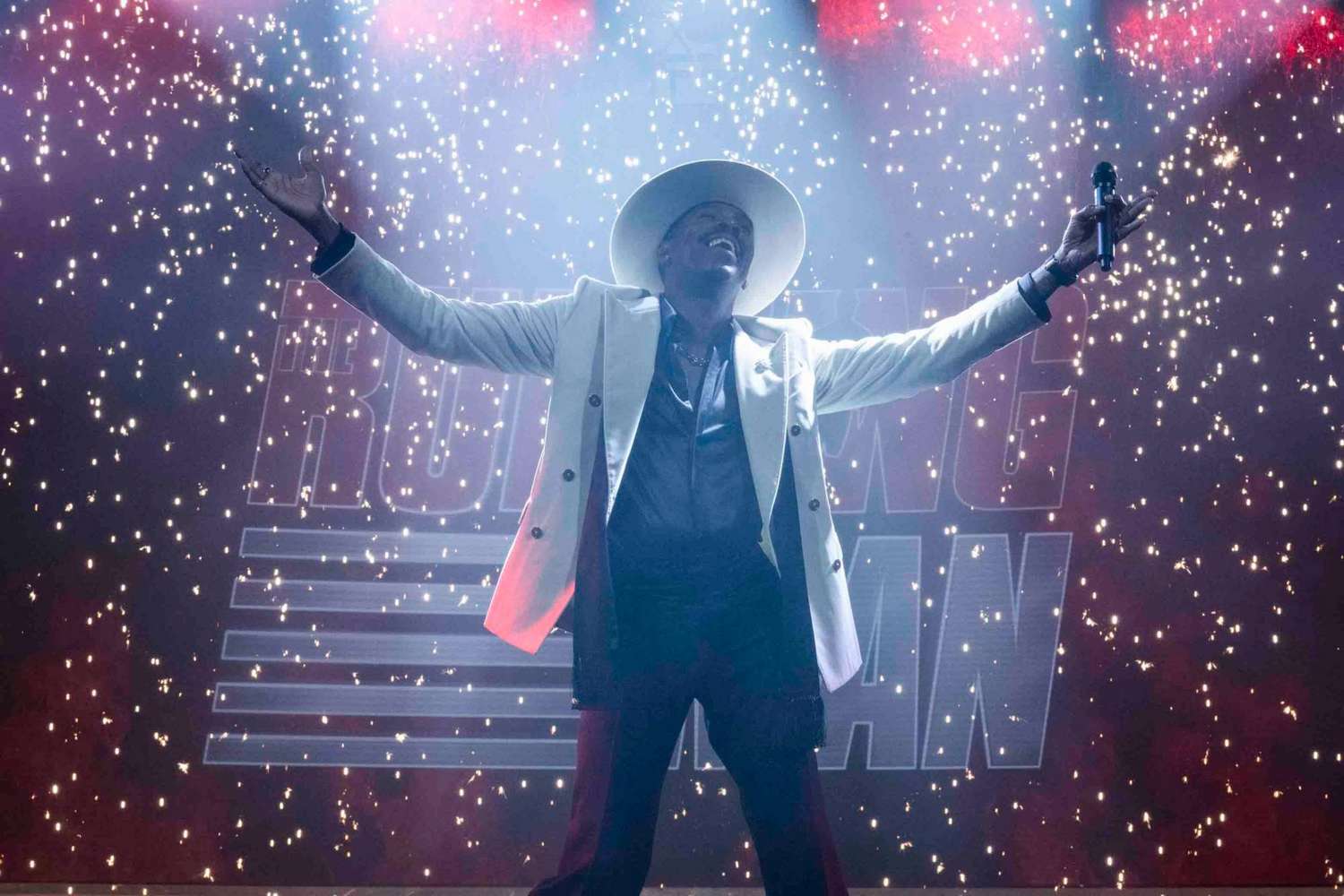
- The Reality Television Spectacle: King’s novel predates the explosion of modern reality TV, yet it perfectly encapsulated the voyeuristic hunger for ‘real’ drama. Today, with countless competition shows, social media influencers, and the constant curation of personal lives for public consumption, the line between entertainment and genuine human struggle has blurred beyond recognition. Wright can craft a ‘game show’ that feels terrifyingly familiar, tapping into our collective unease with public performativity and the commodification of suffering.
- Surveillance State and Digital Panopticon: The original novel featured government ‘Hunters’ and constant media tracking. In 2024, our lives are digitally broadcast, tracked by algorithms, and observed through omnipresent cameras. Wright can escalate the surveillance aspect to an unprecedented level, exploring themes of digital footprints, AI prediction, and the chilling ease with which privacy is surrendered for perceived benefit or mere entertainment. This offers ample ground for high-CPC discussions around data privacy and technological ethics in film reviews and entertainment news analysis.
- Economic Inequality and Class Warfare: King’s world was one of severe wealth disparity, where the poor were literally sacrificed for the rich’s amusement. This resonates powerfully in a world grappling with widening income gaps, housing crises, and debates over social safety nets. Wright can amplify the desperation that drives characters like Ben Richards, making his struggle not just personal but emblematic of a systemic societal failure. This provides strong narrative opportunities for critical analysis and social commentary, attracting an engaged audience seeking depth beyond mere action.
- Media Manipulation and Disinformation: The ‘Game Network’ in King’s novel was a master manipulator, controlling public perception of the contestants. In an age of ‘fake news,’ deepfakes, and partisan media echo chambers, Wright can explore how a dystopian regime weaponizes information to control narratives, dehumanize targets, and ensure public complicity. The film could serve as a potent warning against the dangers of unchecked media power, making it a compelling piece of film production news and a subject for extensive movie news coverage.
- The Desensitization to Violence: The chilling acceptance of deadly games by the public in King’s book is mirrored by our current society’s often casual consumption of violent content, from true crime to extreme sports. Wright’s distinctive ability to present brutal action with a stylized flair can, paradoxically, make the violence more impactful, forcing audiences to confront their own complicity in the spectacle.
 A Crucial Adaptation for a Critical Juncture
Edgar Wright’s “The Running Man” is more than just an exciting project for fans of King or Wright; it’s a potentially crucial piece of cinematic social commentary. It’s an opportunity to take a classic dystopian narrative and imbue it with the urgent, terrifying realities of the 21st century. By restoring the novel’s grim intensity and infusing it with his unique directorial vision, Wright is poised to deliver a psychological thriller that doesn’t just entertain, but confronts, disturbs, and forces us to look inward at the dystopia we might unwittingly be building around us. As film production news continues to unfold, anticipation for this particular cinematic adaptation will undoubtedly grow, positioning it as a significant event in the entertainment industry.