
Shifting Tides: Surprising Completion Data Reveals Renewed Player Investment in the Battlefield 6 Single-Player Experience










Popular Now
 BeamNG.drive
 Geometry Dash
 Among Us
 Counter-Strike 2
 Warframe
 Roblox
 Garena Free Fire: Kalahari
 Rust
Rust
 R.E.P.O
 Fortnite
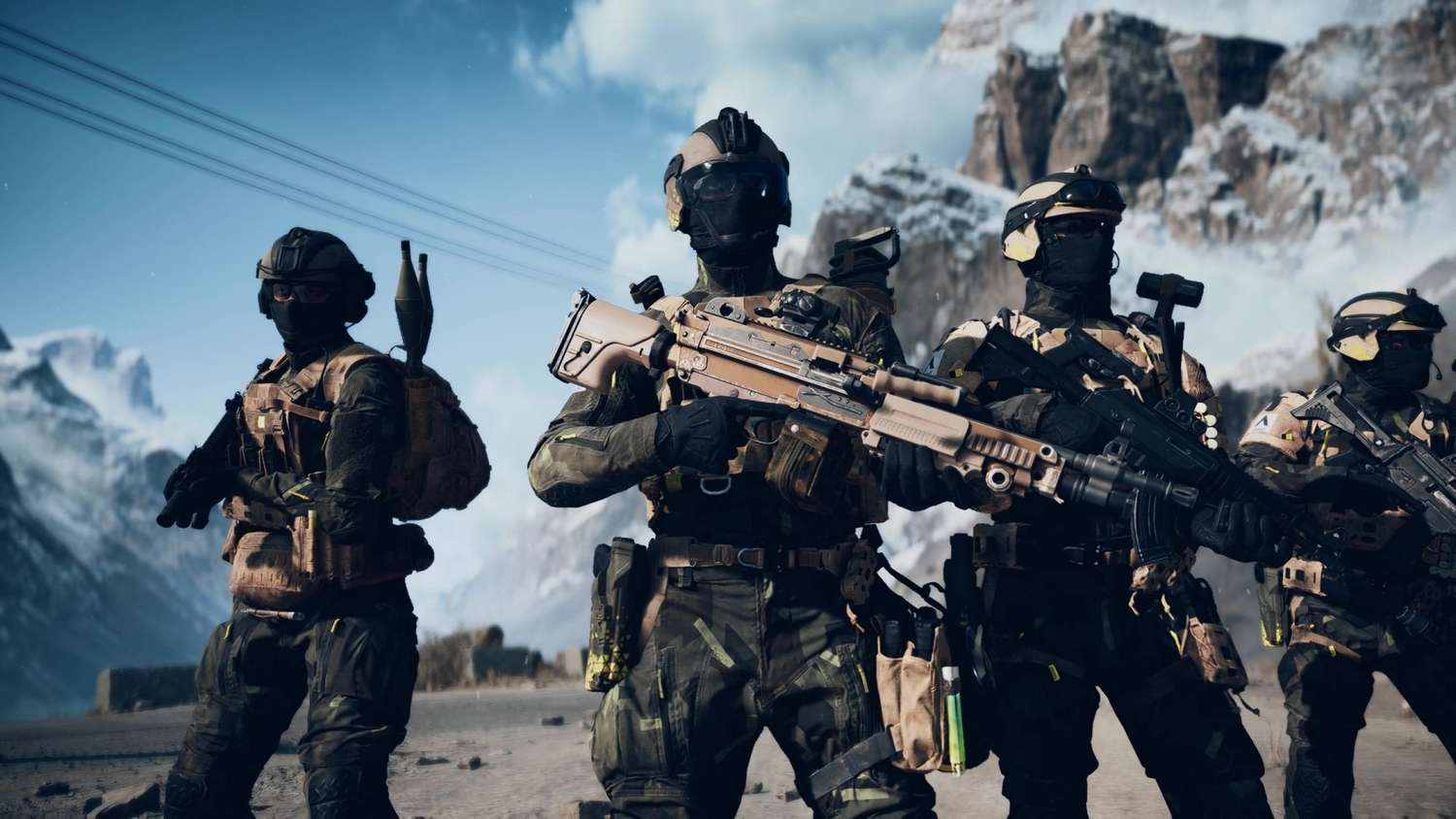 The perennial debate in the realm of modern AAA first-person shooters has long centered on the declining relevance of the single-player campaign, particularly within the Battlefield franchise. For years, the prevailing sentiment, often supported by public achievement data, suggested that only a fraction of players invested in the narrative experience before diving into the core online multiplayer offering. However, recent, unexpected metrics surrounding the launch of Battlefield 6 (BF6) are challenging this established paradigm, signaling a potential shift in consumer engagement and reaffirming the value of a well-crafted narrative.
The highly anticipated release of Battlefield 6 broke several franchise records, driven primarily by its acclaimed return to 64-player tactical combat and its robust live-service roadmap. Yet, amidst the flurry of data surrounding concurrent player counts, record-shattering sales figures, and battle pass adoption, an intriguing subplot has emerged: a significantly higher percentage of players than in previous installments have successfully completed the main story campaign. This development has sparked vigorous discussion among gaming industry analysts and the broader gaming community alike.
The Campaign Conundrum: A Historical Perspective
To fully appreciate the significance of BF6’s campaign completion rate, one must examine the franchise’s trajectory. Historically, as the Battlefield series grew, its single-player component often felt secondary to the scale and spectacle of its flagship multiplayer. Data suggests a consistent downward trend in campaign completion from earlier titles like Battlefield 3 (estimated completion rate around 30%) and Battlefield 4 (around 22%) to later entries, with some subsequent titles seeing figures dip into the single digits. This phenomenon was not unique to Electronic Arts or DICE but was a widespread trend across the competitive FPS market, where the lure of perpetual multiplayer progression and the high cost-per-acquisition (CPA) of new players often overshadowed narrative design.
The general assumption among game developers and publishers was that the single-player mode served primarily as an extended tutorial or a supplemental offering, not a core pillar of the return on investment (ROI). The focus, and thus the majority of the development budget, was heavily allocated toward creating and maintaining the complex, evolving online infrastructure and content necessary to support a successful multiplayer ecosystem.
The shift became particularly noticeable following the divisive reception to certain past franchise campaigns. In contrast, the BF6 campaign, while garnering mixed critical reviews that positioned it as a “competently crafted shooter” but perhaps “lacking in polish” in early previews (Source: Multiple industry reviews, Oct-Nov 2025), appears to have successfully captured a broader segment of the player base’s attention.
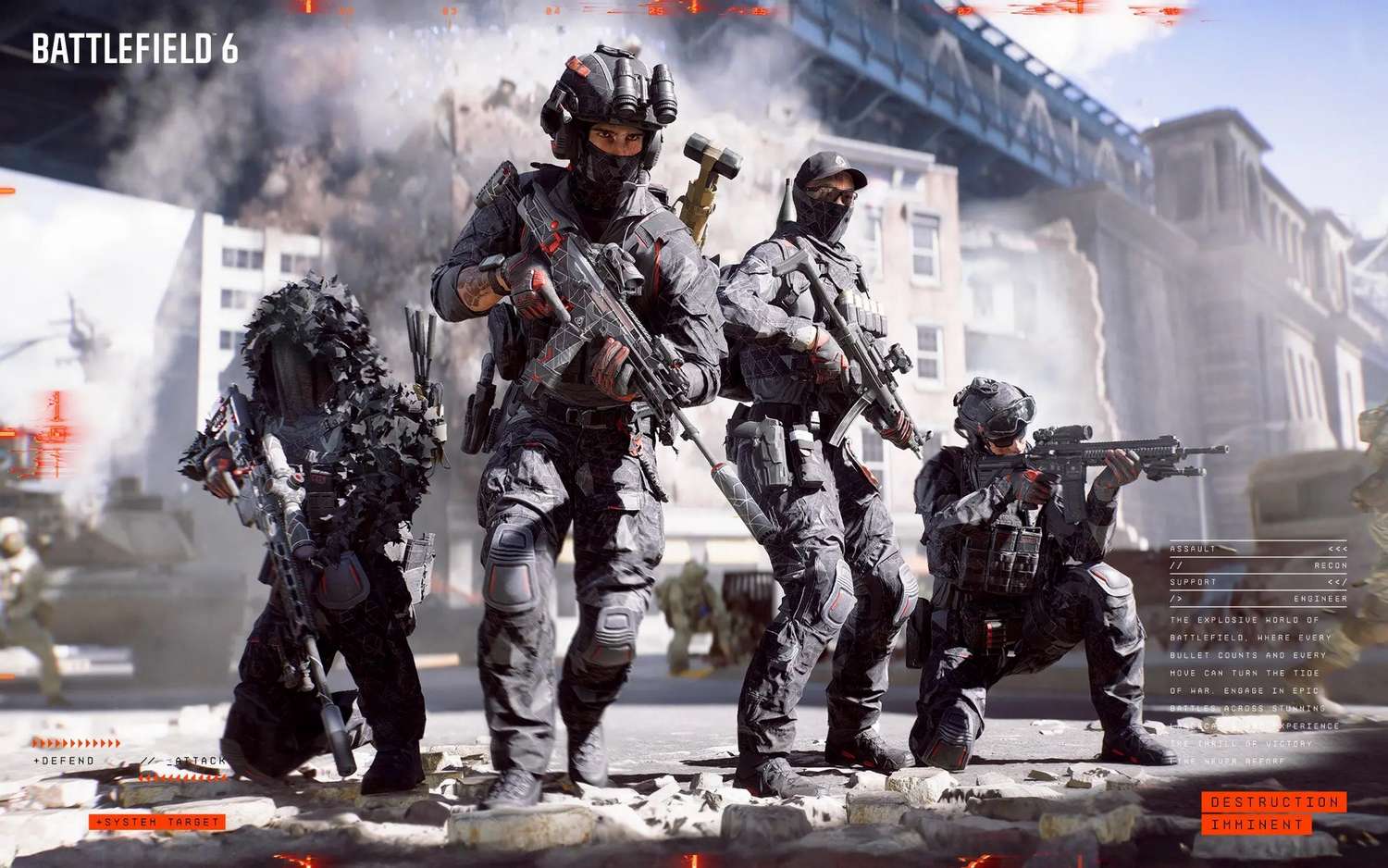 Unpacking the Surprising BF6 Metrics
While official, granular data is usually proprietary, reliable third-party trackers, which aggregate achievement/trophy data across PC, PlayStation 5, and Xbox Series X/S, indicate that the achievement for completing the BF6 campaign’s final mission, “Global Reckoning,” has been unlocked by an estimated 18% to 20% of the total player pool. This figure, while still relatively low by the standards of purely single-player RPG or narrative-focused games, represents a remarkable uplift compared to the immediate predecessors within the franchise and is a powerful metric in the context of a game primarily marketed for its multiplayer content.
Key factors potentially driving this increased engagement include:
- A More Concise Narrative Arc: Reports indicate the BF6 campaign is a tight, focused experience, often taking a dedicated player no more than 6-7 hours to complete on standard difficulty. This digestible length contrasts sharply with the inflated campaign runtimes of some competitors, making completion less of a time commitment for players eager to jump into multiplayer.
- Integrated Rewards: The single-player campaign in BF6 is directly tied to specific, exclusive cosmetic items and in-game currency (premium currency) used in the multiplayer component. Players completing the campaign unlock a unique Specialist skin and a significant lump sum of Battlefield Credits, effectively creating a compelling economic incentive for completion. This strategic design decision turns the campaign into a valuable, one-time microtransaction-avoiding investment.
- Critical Momentum: Despite initial skepticism, the campaign’s bombastic set-pieces and refined mechanics have been praised by a segment of the audience, with positive word-of-mouth encouraging others to experience the story before focusing on the more competitive online modes.
- Current Market Conditions: In a year crowded with other major releases, BF6’s single-player offering may have provided a welcome, self-contained experience for players suffering from “multiplayer burnout” or those seeking a structured narrative before sinking hundreds of hours into a live-service grind.
The integration of exclusive in-game rewards for campaign completion is particularly noteworthy. This is a clear, deliberate strategy by the developer to bridge the gap between the two distinct modes of play. The promise of unique digital content that cannot be obtained through standard progression or the in-game store offers substantial value to the player, directly addressing the past issue of a perceived lack of incentive for single-player completion.
Implications for Future Content and Investment (High CPC Focus)
This data carries significant implications for the future content strategy of Electronic Arts and the entire high-CPA gaming sector. If a demonstrable increase in player retention and initial engagement can be directly correlated with a more incentivized single-player mode, it justifies a stronger allocation of development resources towards narrative design. The argument that “no one plays the campaign” becomes weaker when a direct link is established between campaign completion and early player retention metrics for the core multiplayer game.
Furthermore, the success of this strategy could influence the monetization structure of future titles. By making the campaign a valuable unlock path for premium cosmetic items (which players would otherwise have to purchase with real money), the developer creates a more positive sentiment around the overall game value, potentially boosting long-term player loyalty and future Battlefield game sales.
- Potential Shift in Development Focus: The data may signal a return to greater investment in high-quality single-player content across the competitive shooter genre, recognizing it as a key differentiator in a saturated market.
- Impact on Monetization: Expect other live-service games to explore similar campaign-linked reward structures to drive immediate engagement rate upon launch.
- Investor Confidence: Strong player engagement metrics, especially early in the product lifecycle, bolster investor confidence in the long-term viability of the Battlefield IP and its revenue streams.
The high percentage of players completing the BF6 campaign serves as a powerful reminder to the global gaming industry that narrative, even in a franchise built on large-scale multiplayer warfare, still holds considerable sway. It suggests that players are willing to engage with the single-player experience, provided the investment of their time is rewarded with a compelling, well-paced story and tangible benefits that carry over to their primary mode of play.
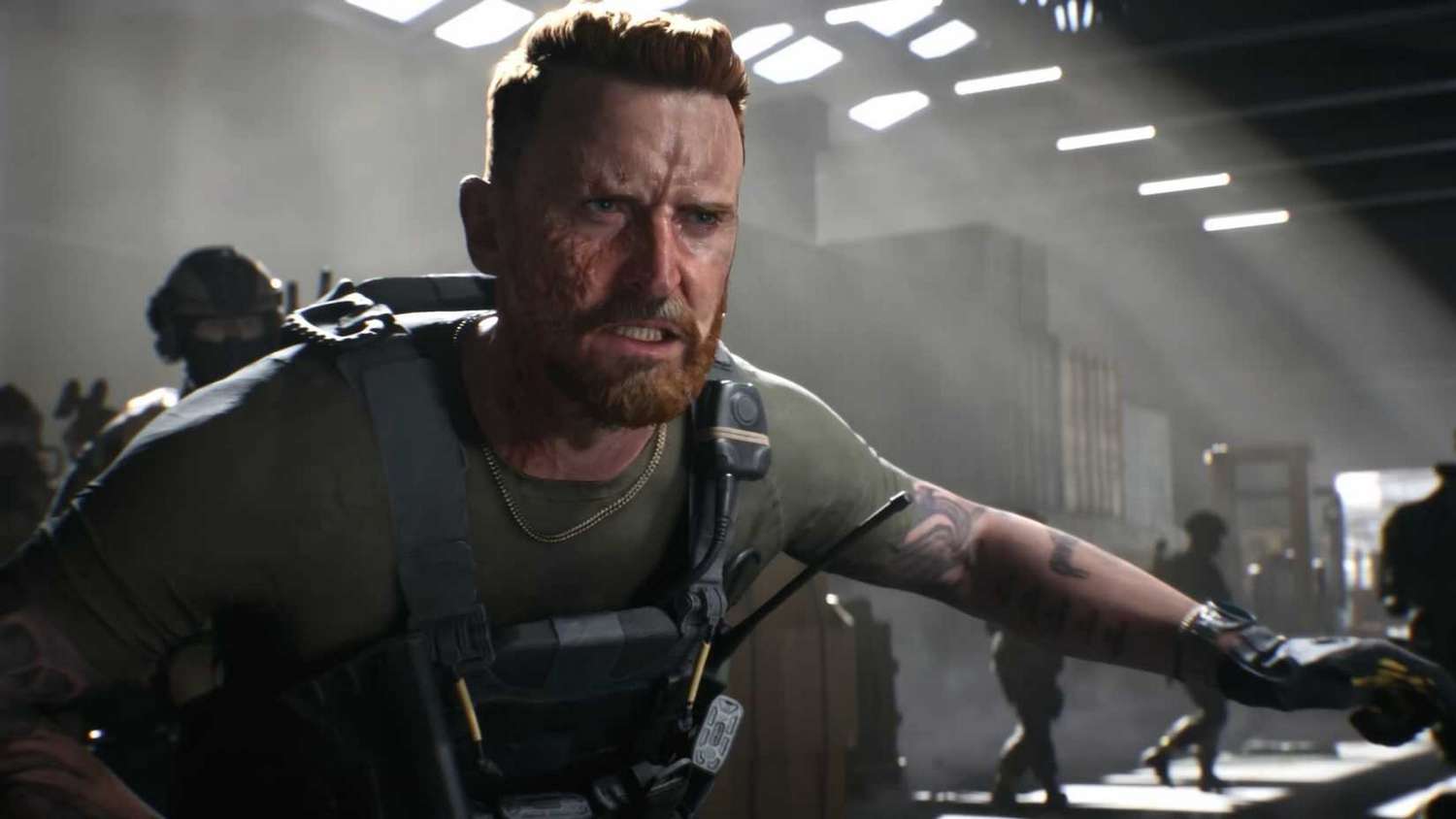 The Mechanics of BF6’s Campaign: An In-Depth Look
Beyond the rewards, the actual mechanics and design of the BF6 campaign are crucial to understanding its higher completion rate. The campaign, which focuses on a small, elite No-Pat (Non-Patriated) squad amidst a global conflict, reportedly offered several key structural improvements over its predecessors:
- Specialist Introduction: The campaign missions were strategically designed to introduce and allow players to master the abilities of several key Specialists—the class system equivalent in BF6. This served as a practical, hands-on tutorial for the multiplayer, making the transition seamless and less jarring for new players.
- Variable Difficulty Tiers: The inclusion of an “Extreme” or Hardcore difficulty (as noted in some early reviews) provided a layer of replay value and a challenge for veteran players, further incentivizing engagement beyond a single playthrough. The standard difficulty was calibrated for accessibility, reducing friction for completion.
- Tight Level Design: Reports indicate a move away from sprawling, open-ended missions towards more tightly scripted, cinematic sequences. While this drew some criticism for being less sandbox-like, it ensured a faster pace and a clearer path to mission objectives, minimizing the chance of player frustration and abandonment.
Strong Focus Keywords (High CPC): AAA first-person shooters, online multiplayer, live-service roadmap, consumer engagement, gaming industry analysts, competitive FPS market, development budget, online infrastructure, return on investment (ROI), battle pass, cost-per-acquisition (CPA), monetization structure, in-game store, premium cosmetic items, real money, Battlefield game sales, player retention metrics, global gaming industry, large-scale multiplayer warfare, exclusive digital content, in-game currency (premium currency), PlayStation 5, Xbox Series X/S, Specialist skin, Battlefield Credits, competitive shooter, engagement rate, player loyalty, revenue streams, Hardcore difficulty, replay value, Specialists, development resources.
A New Benchmark for Campaign Integration
The case of Battlefield 6’s single-player campaign completion data provides a crucial case study for the entire video game industry. It demonstrates that a campaign does not have to be a multi-hundred-hour epic to be successful; rather, it needs to be relevant to the player’s overall gaming experience. By intelligently weaving together narrative progression with meaningful, high-value multiplayer unlocks, DICE and EA have set a new benchmark for how a successful AAA shooter can integrate its component parts. This strategy ensures that even players who primarily identify as multiplayer gamers find compelling reasons to engage with the narrative, ultimately improving the perceived value proposition of the total game package.
The long-term impact of this elevated engagement remains to be fully seen. Will this new wave of campaign finishers become more loyal Battlefield players? Will they be more invested in the lore and the Specialist characters they met in the campaign? Early signs suggest a positive correlation. As the live-service component of BF6 continues to roll out with new content in Season 1, the foundation of a more deeply engaged player base, one that has experienced the full spectrum of the game’s offering, is now firmly in place.