
The End of an Era? Squad Busters Confirmed to Cease Operations by 2026 Amid Performance Struggles










Popular Now
 Call of Duty
 R.E.P.O
 CarX Street
 EA SPORT FC 25
 Free Fire
 Warframe
 EMI Calculator App & Loan EMI
The Legend of Zelda
EMI Calculator App & Loan EMI
The Legend of Zelda
 Grand Theft Auto V
 Poppy Playtime
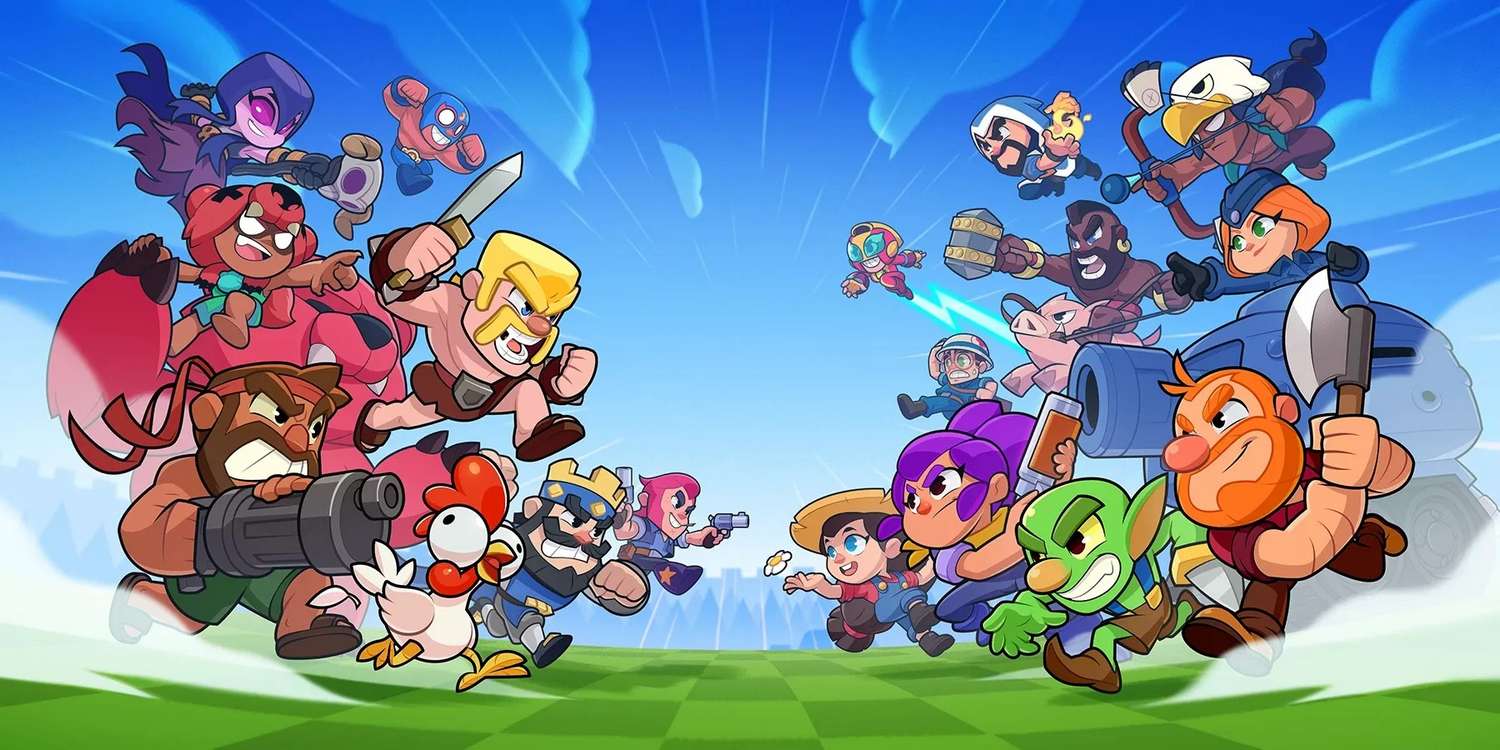
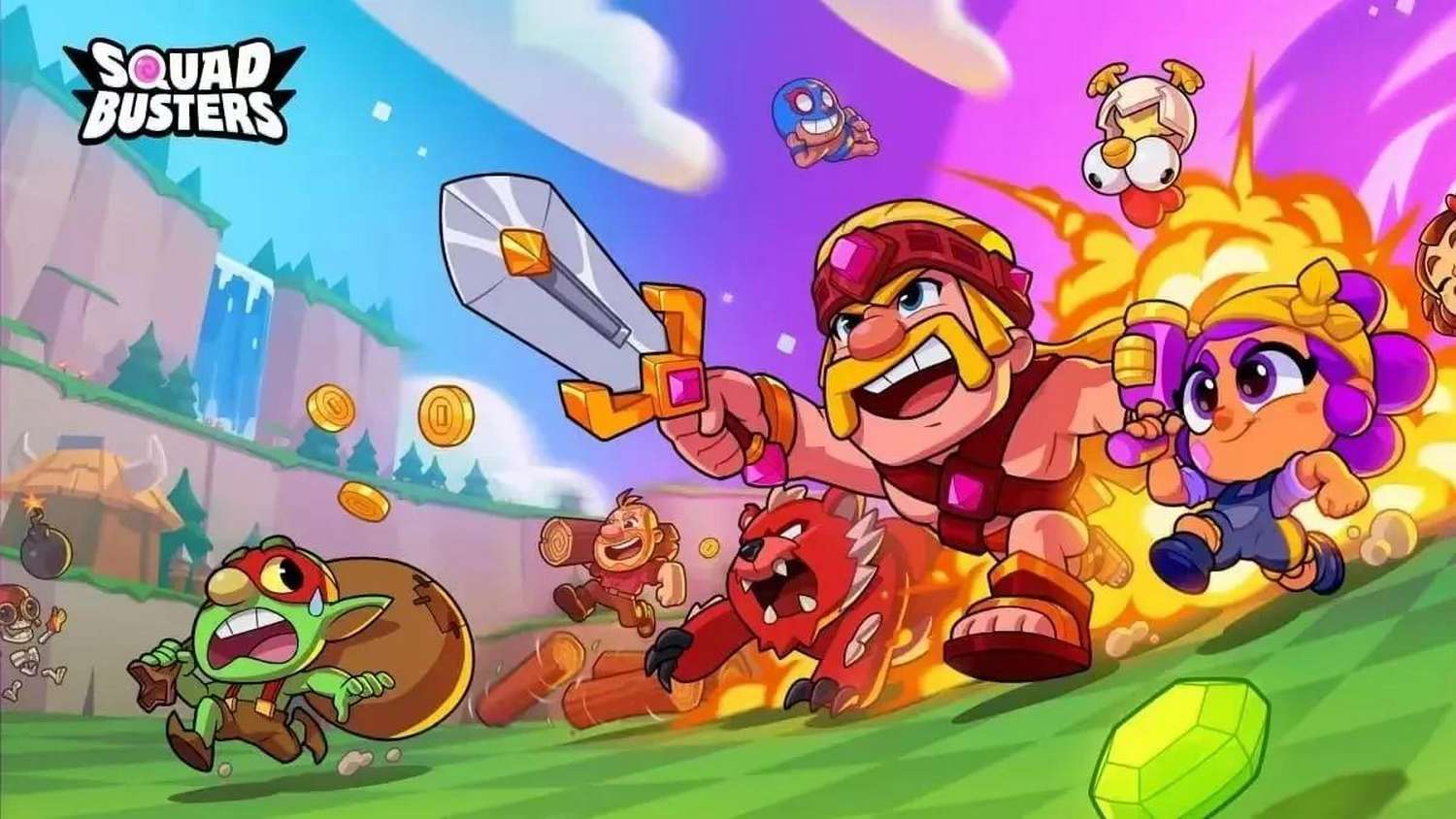

 Helsinki, Finland – In a significant development that sends ripples through the competitive mobile gaming industry, Supercell, the Finnish mobile game giant renowned for blockbusters like Clash of Clans and Brawl Stars, has officially announced that its ambitious title, Squad Busters, will cease all operations by early 2026. This decision, conveyed through internal communications and subsequently confirmed by sources close to the company, marks a rare instance of Supercell discontinuing a live service game relatively early in its projected lifecycle due to what are described as ongoing challenges in meeting the company’s stringent performance expectations and long-term sustainability metrics. The news is poised to ignite discussions about player retention, monetization strategies, and the ever-increasing bar for success in the global mobile gaming market.
Initial reports indicate that despite a strong marketing push and the inherent brand recognition associated with Supercell, Squad Busters struggled to achieve the robust player engagement and impressive revenue projections that characterize Supercell’s most successful ventures. Industry analysts are now dissecting the factors contributing to this outcome, ranging from intense market competition to potential missteps in core gameplay loop development and long-term content roadmap planning.
The Initial Promise: A Supercell Legacy
When Squad Busters was first unveiled, it generated considerable excitement within the gaming community and among investors. Touted as an ambitious crossover title featuring beloved characters from across the Supercell universe, it promised a fresh take on the squad-based action genre, blending elements of collection, strategy, and fast-paced combat. The game entered soft launch phases with significant buzz, drawing on Supercell’s reputation for crafting highly polished, deeply engaging, and incredibly profitable mobile experiences. The expectation was that Squad Busters would quickly carve out a substantial niche, replicating the phenomenal success seen by its predecessors and bolstering Supercell’s diversified gaming portfolio. However, despite these high hopes and a substantial investment in its development and launch, the game appears to have fallen short of the exceptionally high bar Supercell sets for itself.
Struggling to Meet Key Performance Indicators (KPIs)
Sources familiar with Supercell’s internal analytics suggest that Squad Busters experienced persistent challenges in key areas vital for a live service game’s longevity. Critical key performance indicators (KPIs), such as player retention rates, average revenue per user (ARPU), and daily active users (DAU) relative to its acquisition costs, reportedly failed to achieve the desired benchmarks. While the game may have garnered millions of downloads, converting those downloads into consistently engaged and monetizing players proved to be an uphill battle.
- Player Retention: The initial novelty of combining popular characters may not have translated into long-term player commitment. Without a compelling end-game or sufficiently diverse content updates, many players are believed to have churned out after the initial honeymoon period.
- Monetization Strategy: While Supercell is adept at implementing fair and effective monetization, there are suggestions that Squad Busters’ approach may not have resonated as strongly with its target audience. Finding the delicate balance between premium content offerings and free-to-play accessibility is crucial for financial success.
- Engagement Metrics: Reports indicate that the game struggled to foster the kind of deeply ingrained community and competitive spirit that drives sustained engagement in other Supercell titles, potentially leading to lower session lengths and reduced social interaction within the game.
The mobile gaming landscape is notoriously unforgiving, with thousands of new titles launching annually. For a game to truly thrive, especially under the Supercell banner, it must demonstrate not just initial appeal but also a clear path to becoming a decade-long phenomenon capable of generating billions in revenue.
Intense Market Competition and Genre Saturation
Another significant factor contributing to Squad Busters’ struggles is undoubtedly the hyper-competitive nature of the mobile gaming industry. The market is saturated with high-quality titles across various genres, all vying for player attention and spending. While Squad Busters offered a unique blend, it faced stiff competition from established games in the action, strategy, and casual multiplayer categories. New entrants in the mobile gaming space need more than just good gameplay; they require a truly innovative hook and flawless execution to stand out.
Furthermore, the trend towards more complex, console-quality experiences on mobile devices means that casual-leaning games, even from top developers, face increasing pressure to deliver depth and replayability. Analysts point to a potential misjudgment in market positioning, where Squad Busters may have struggled to define its core audience amidst a sea of options, from intricate RPGs to fast-paced battle royales.
 Supercell’s Uncompromising Standard for Global Hits
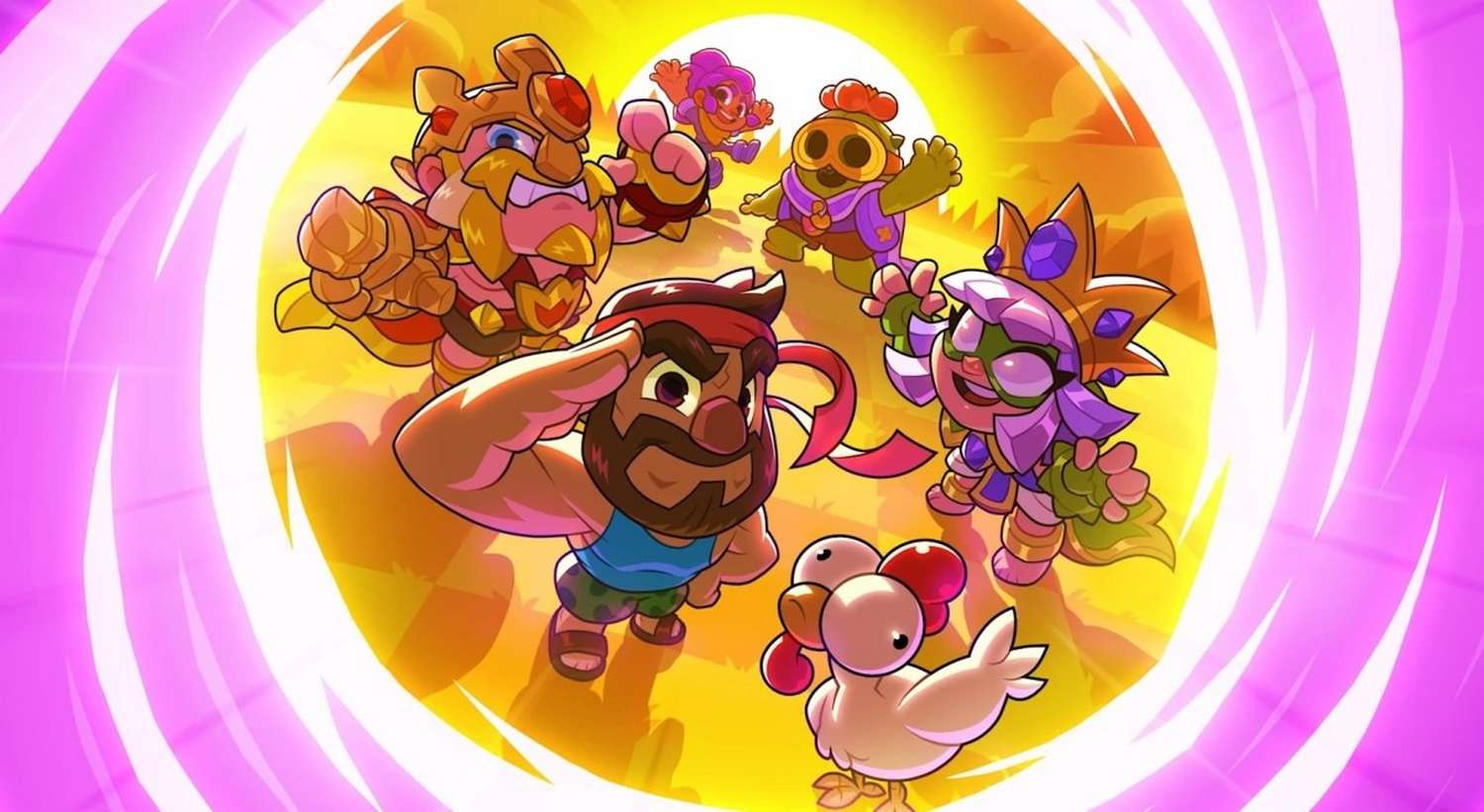
Supercell has built its reputation and massive financial success on a philosophy of launching only a handful of truly exceptional, globally dominant games. Their internal standard for what constitutes a ‘successful’ title is extraordinarily high, demanding not just profitability, but the potential for enduring cultural impact and sustained growth over many years. Previous titles that did not meet these internal benchmarks, even if they were modestly successful by industry standards, have been retired by the company.
This uncompromising approach to portfolio management ensures that Supercell’s resources are always focused on games with the highest potential return on investment and long-term viability. The decision to shut down Squad Busters, therefore, reflects a strategic choice to reallocate resources to projects that Supercell believes have a greater chance of achieving the company’s ambitious global goals and shareholder value expectations. It underscores Supercell’s commitment to quality over quantity and its willingness to make tough decisions for the health of its overall game ecosystem.
The Road Ahead for Supercell and Affected Players
The announcement will naturally raise questions among the player base and industry observers. For players, Supercell has confirmed that details regarding in-game currency refunds, transfers, or compensations will be communicated closer to the shutdown date. The company is expected to provide a clear roadmap for the sunsetting process, ensuring a smooth transition for its community.
For Supercell itself, this development is a learning experience, albeit a costly one. It highlights the inherent risks in game development, even for a studio with an unparalleled track record. Moving forward, Supercell will likely redouble its focus on its core performing titles while continuing to innovate with new concepts, albeit with potentially even more rigorous internal testing and market analysis before global launches. The closure of Squad Busters serves as a stark reminder that even industry giants face immense pressure to deliver consistent, groundbreaking success in the ever-evolving world of mobile gaming.
 The mobile gaming industry will undoubtedly watch closely how Supercell pivots from this experience. The company’s resilience and ability to learn from such outcomes have historically been key to its sustained dominance. While 2026 will mark the end of Squad Busters, Supercell’s journey in shaping the future of mobile entertainment is far from over.